Seeds of Change: UK - Korea
Project site: UK, South Korea
2026 - Present
In collaboration with Royal Botanic Gardens, Kew and the Millennium Seed Bank
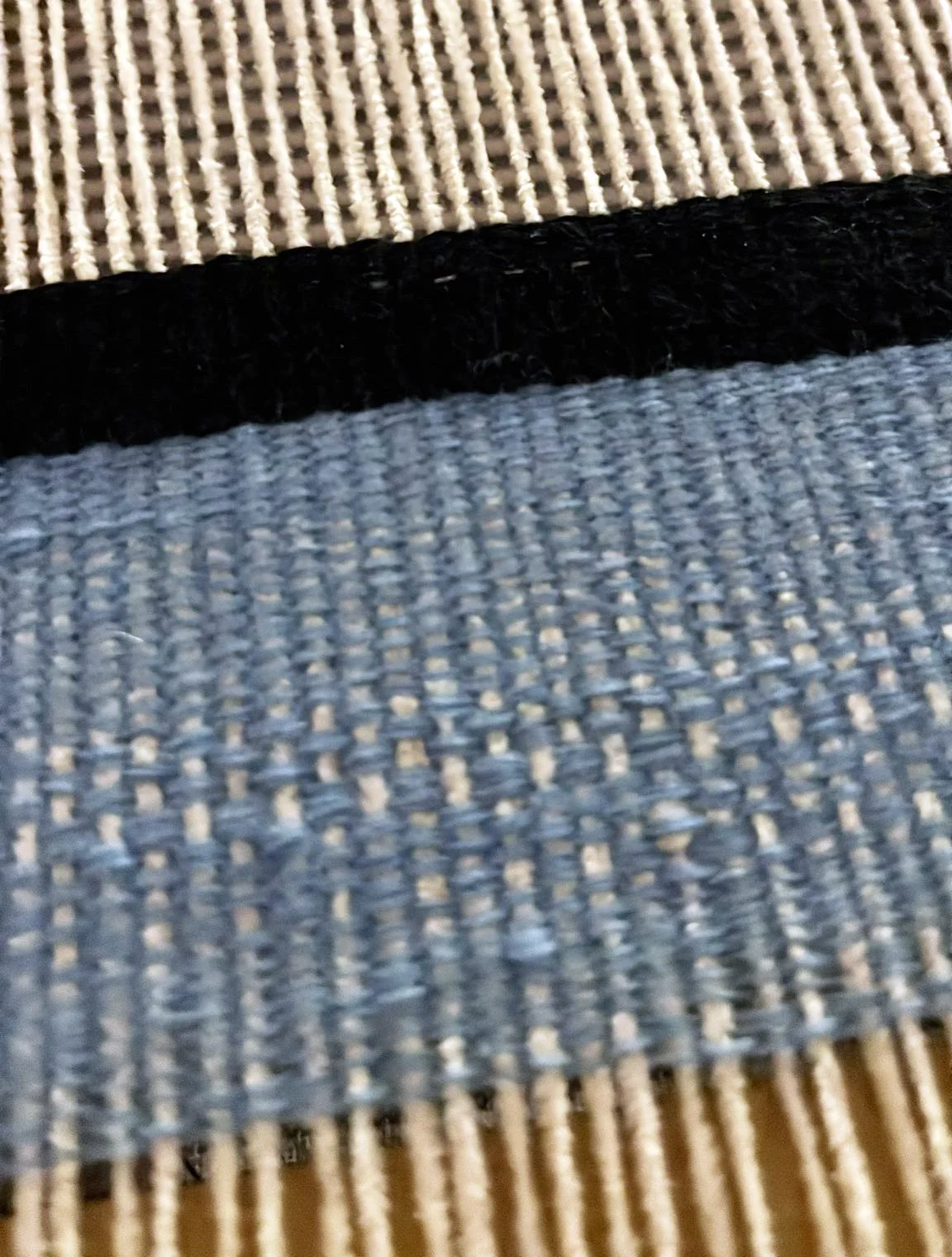
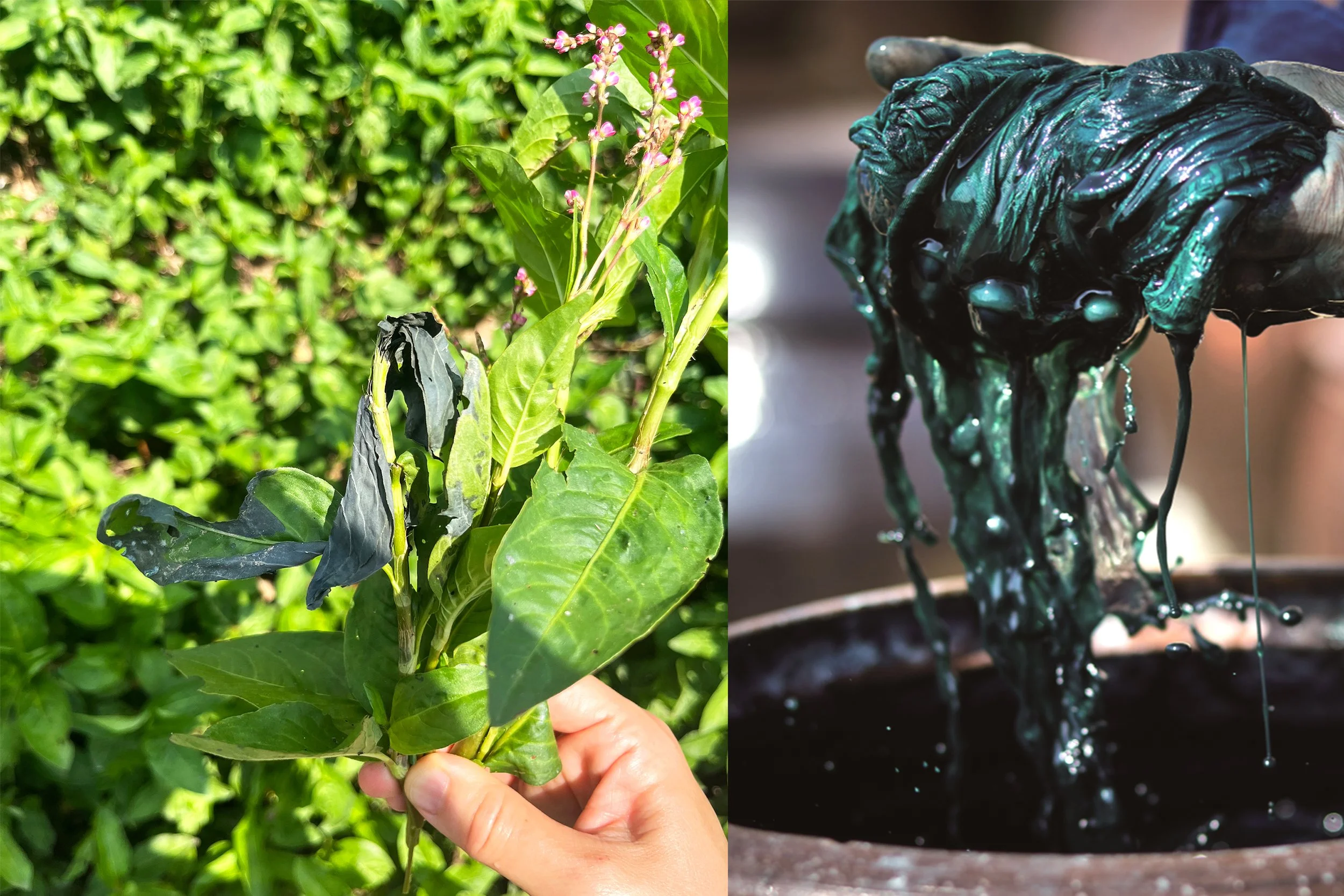
Situated within Material Culture Studies and the Plant Humanities, Seeds of Change: UK–Korea investigates botanical relations between Korea and the UK through the archival histories, cultivation, dyeing, and weaving practices associated with Korean indigo (Persicaria tinctoria; Korean: 쪽, jjok). This humanities-led, practice-based research examines how Korean plant materials and vernacular knowledge were translated into British botanical collections during the late nineteenth century and explores how these histories can be reinterpreted through contemporary ecological and creative practices.
Combining archival inquiry, fieldwork in South Korea, experimental cultivation, material practice, and participatory workshops at Wakehurst and the Royal Botanic Gardens, Kew, the project develops a reciprocal methodology that reconnects botanical archives with ecological knowledge, material culture, and living craft traditions. Rather than treating Korean indigo simply as a botanical specimen, the project approaches it as a living archive through which ecological knowledge, cultural memory, craft practices, and transnational histories continue to be cultivated, materially enacted, and reinterpreted.
Moving beyond the study of nineteenth- and twentieth-century botanical histories, the project asks how cultivation, natural dyeing, and weaving can create new cultural and ecological relationships between Korea and the UK in the twenty-first century. Through collaborative research and public participation, it explores how traditional plant knowledge can contribute to contemporary conversations around climate change, biodiversity, sustainable living, and environmentally responsible approaches to art and design.
By following Korean indigo from seed to textile, Seeds of Change: UK–Korea brings together botanical history, ecological knowledge, material culture, and creative practice. As an exploratory project, it develops a collaborative Korea–UK framework for reconnecting botanical archives with ecological knowledge, material practice, and transnational cultural histories through cultivation, archival inquiry, and public engagement.