Lost Architecture:
The Remnants of Korean Architecture in Onomichi
Project Site: Korea, Japan, United Kingdom
2022 - 2023
In collaboration with Kyungmin Son, Tamaki Ono, NPO Onomichi Akiya Saisei Project (尾道空き家再生プロジェクト)
This international collaborative art and research project brings together cultural practitioners, researchers, non-profits, and institutions from South Korea, the UK, and Japan. It seeks to foster a deeper understanding of East Asian philosophy, colonial histories, and the cultures, arts, crafts, and (lost) architecture of Korea—subjects that have often been underrepresented in the UK.
Focusing on the Japanese colonial period in Korea (1910 –1945), the project collects interviews with Japanese individuals who lived in Korea, owned Korean artifacts, or had direct or indirect ties to the region, as well as their descendants and acquaintances. These personal narratives reveal how Korean culture, crafts, and architecture shaped the everyday lives of Japanese people during that time.
Through site visits in South Korea, the UK, and Japan, the team has revisited and reimagined lost architectural sites and building fragments, employing contemporary art, design, and architectural methods to reinterpret them for the 21st century. By tracing spatial narratives, mapping scattered memories, and collectively reflecting on the past as a decolonising practice, the project weaves together fragmented, often-silenced shared histories.
-
![Research sites]()
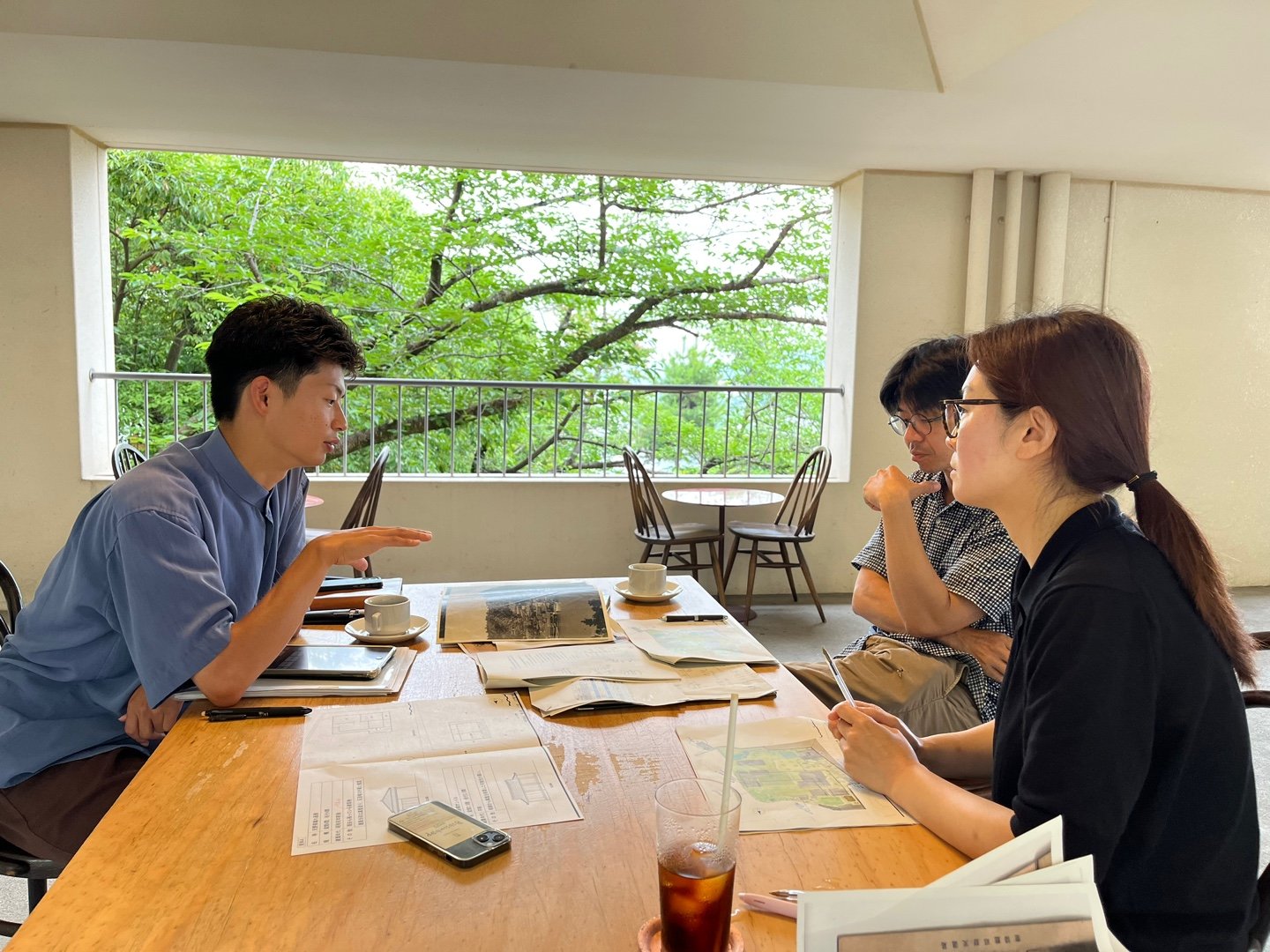
01. Research Sites and co-research with Tamaki Ono
-
![Korea's lost architecture]()
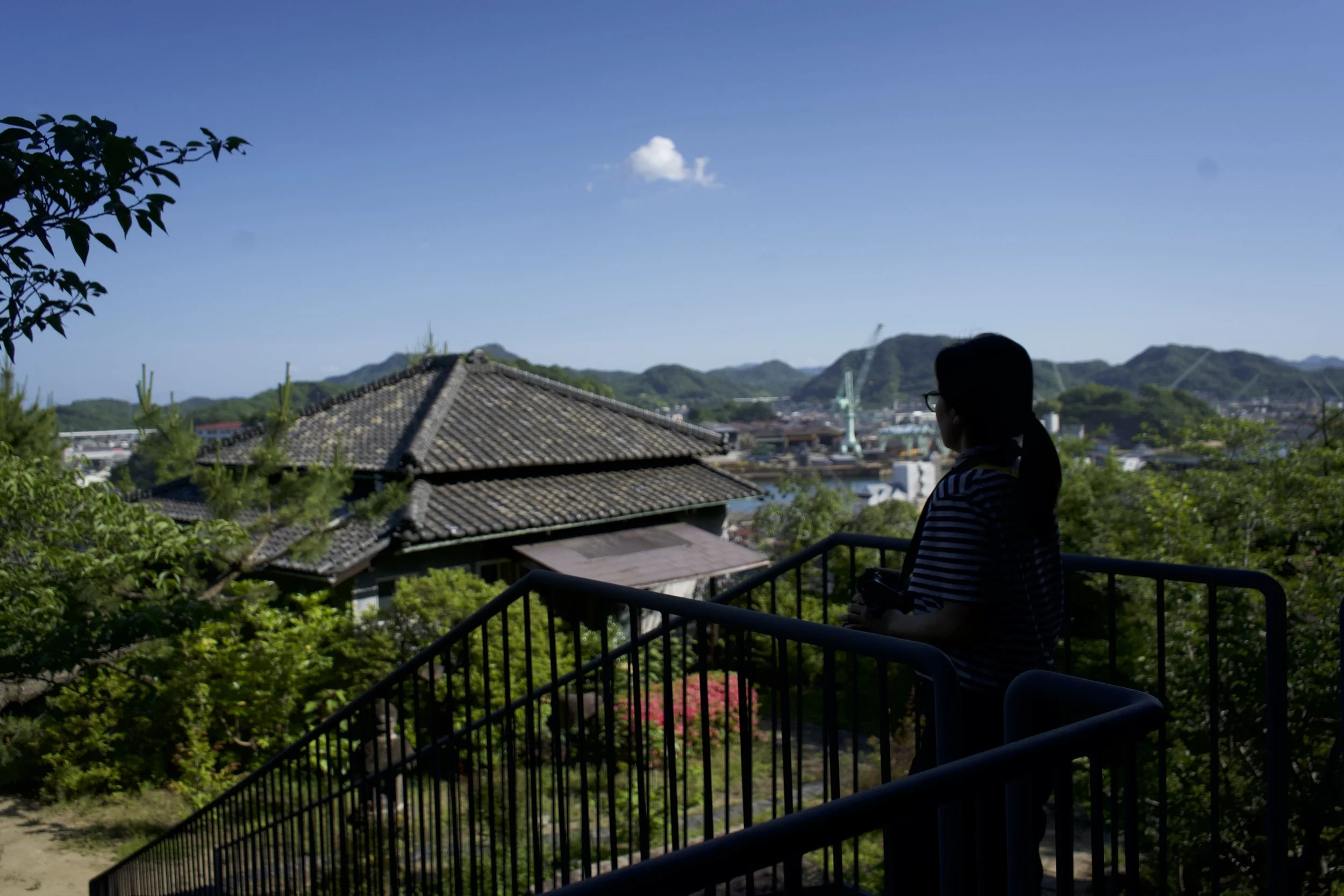
02. Visit the site where Korea's lost architecture was located in Onomichi, Japan, now home to the Log Hotel.
-
![Korea's lost architecture2]()
03. Visit the site where Korea's lost architecture was located in Onomichi, Japan, to document how the site has changed and to trace the layers of transformation over 80 years.
-
![Interview with Kazuhide Takehara]()
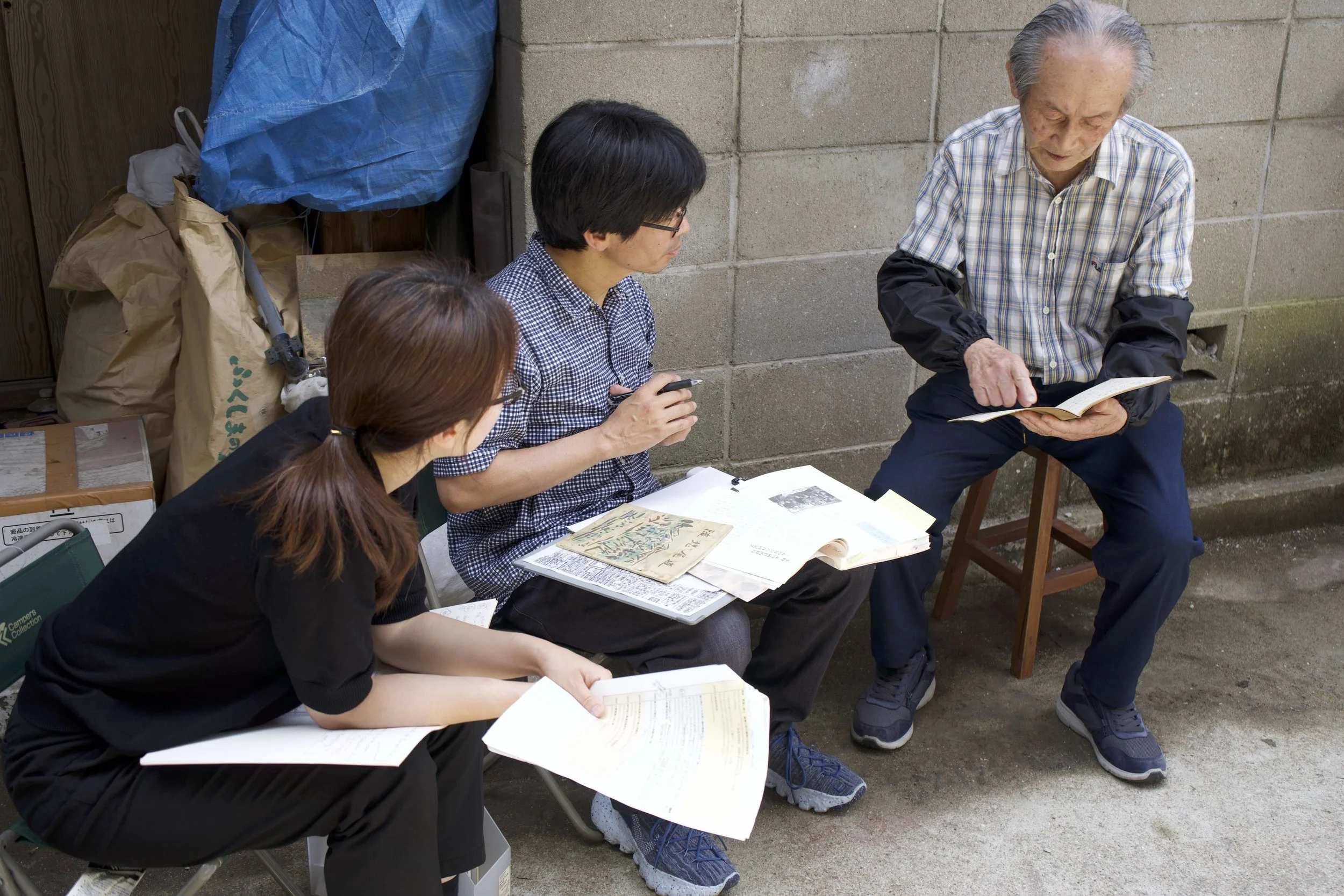
04. Interview with Kazuhide Takehara about the site of Korea's lost architecture — including structures featuring the Ondol (온돌), Korea's traditional underfloor heating system.
-
![interview]()
05. An interview with a Japanese elder who participated in the restoration of a Goguryeo Kingdom (37 BC – AD 668) artefact (rooftiles, 기와, 瓦). This study aims to trace the artefact’s trajectory from Pyongyang, currently the capital of North Korea, to Japan during the colonial period (1910–1945), examine its historical context and subsequent legacy, and research its current condition and status.
-
![Interview]()
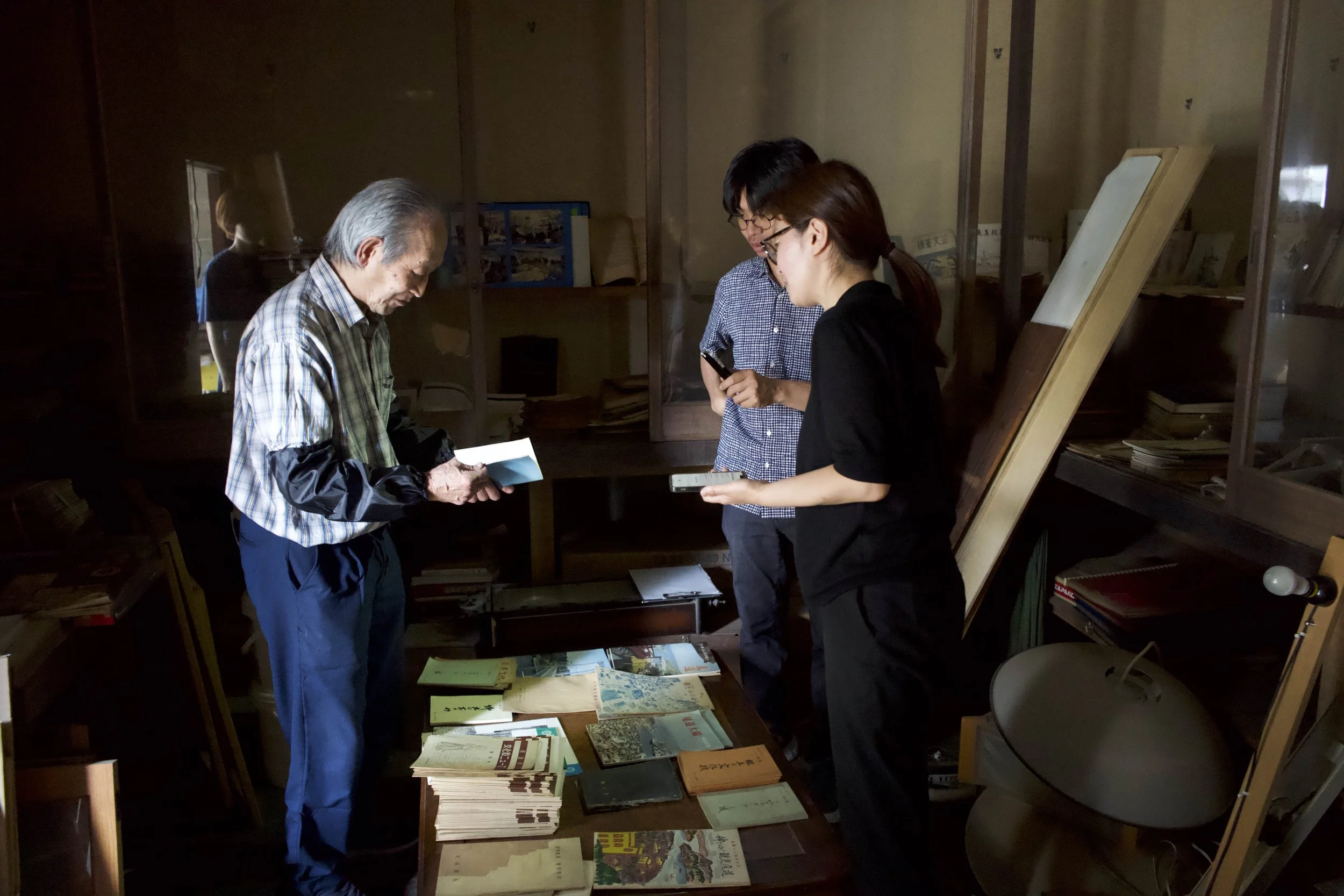
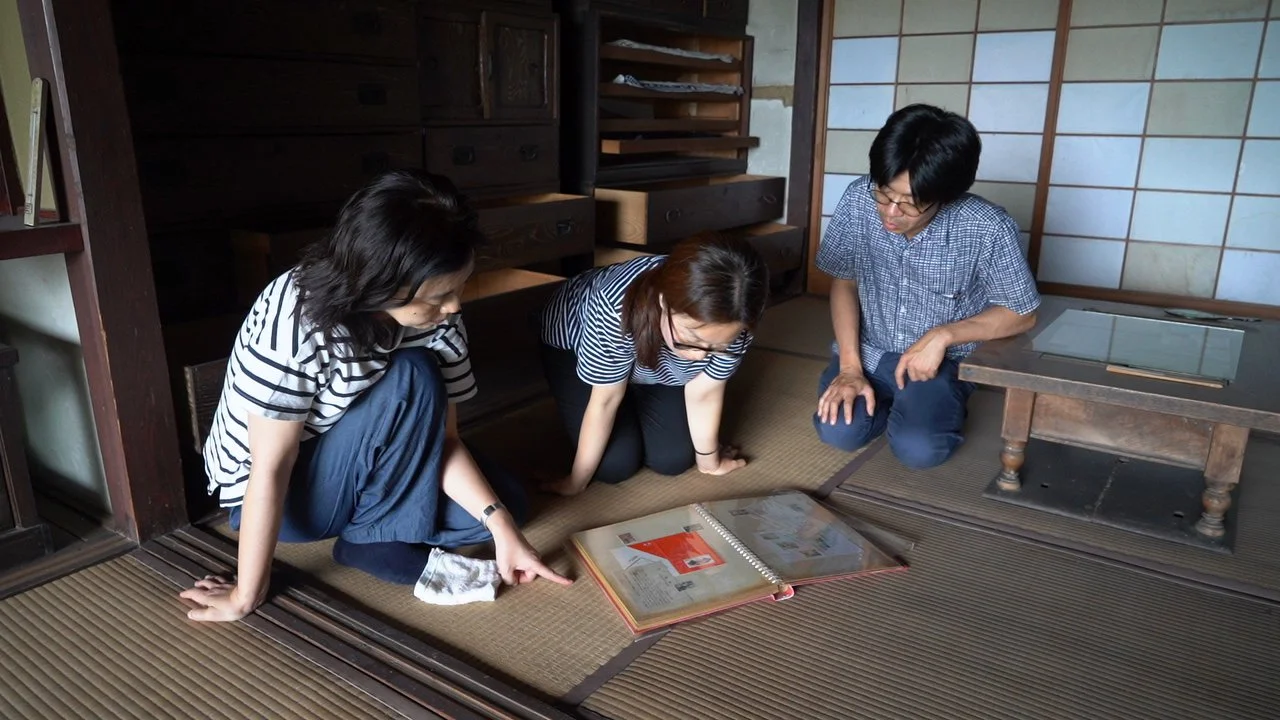
06. Explore the personal and family history at the site where the Korean artefact was temporarily stored to better understand the Japanese family’s collection of Korean artefacts.
-
![site visit - port]()
07. Visit the site of the old port where a ferry route between Korea and Onomichi operated during the colonial period (1910–1945). The port is currently closed.
-
![interview]()
08. Interview with a Japanese elder to trace the journey of the Goguryeo Kingdom (37 BC – AD 668) artefact—how it was collected, transported to Japan, and preserved over the last 80 years.
-
![Site visit]()
09. Visit the site connected to a person who worked in education on the Korean Peninsula during the colonial period and left behind historical and personal documents offering insight into his experiences and perspectives on life in Korea (Busan, Pyongyang, and Sinuiju) during that time.
-
![personal records]()
10. A study of personal records and a postcards sent from Korea during the colonial period, which provide valuable insight into the educational policies of the colonial administration.
-
![research archives and artworks]()
11. Collection of my research materials: artworks, interviews, documentation from site visits, photographs, drawings, and archives.
-
![Notes]()
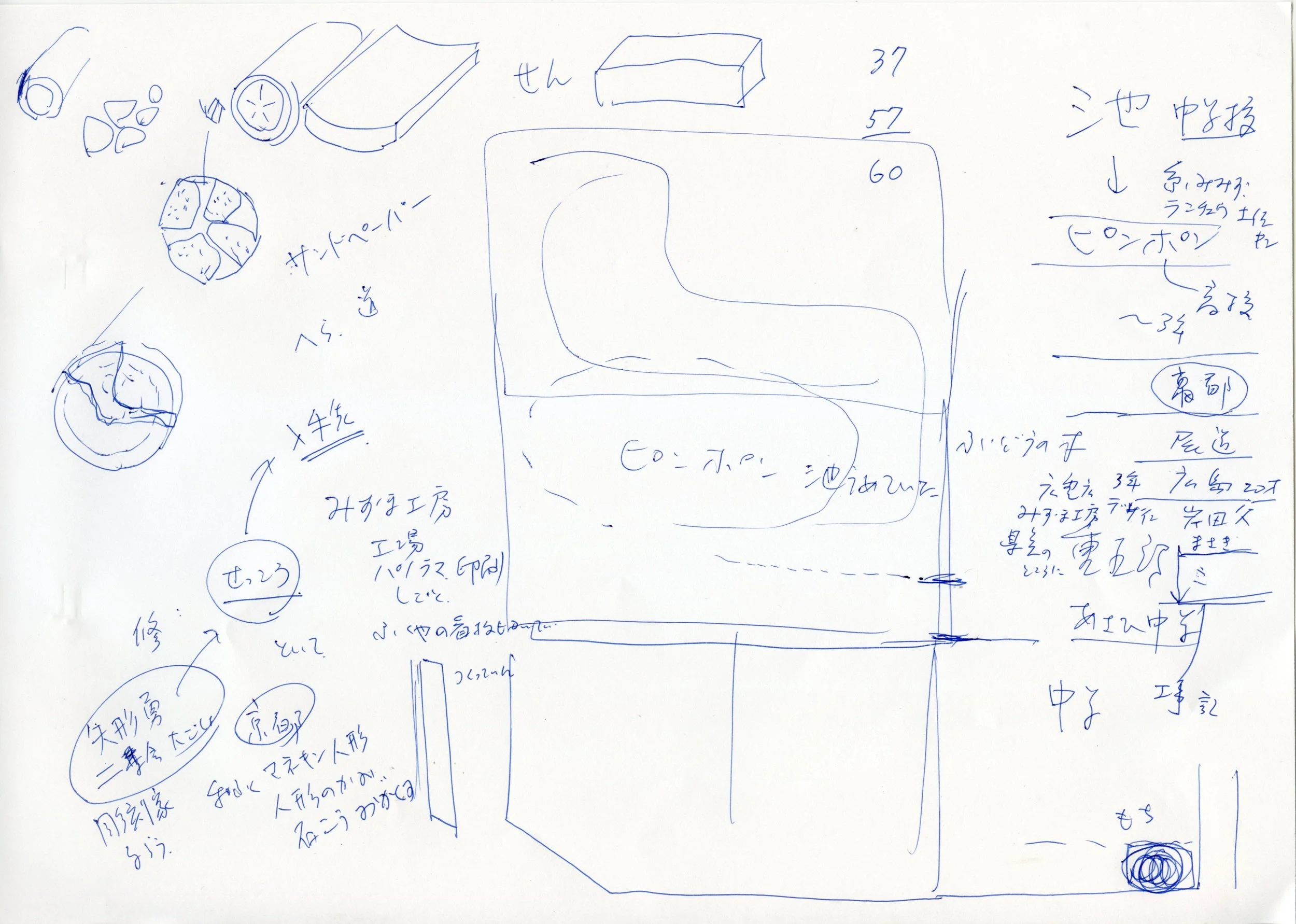
12. Notes taken during the interview process, co-research with Tamaki Ono
-
![Artwork]()
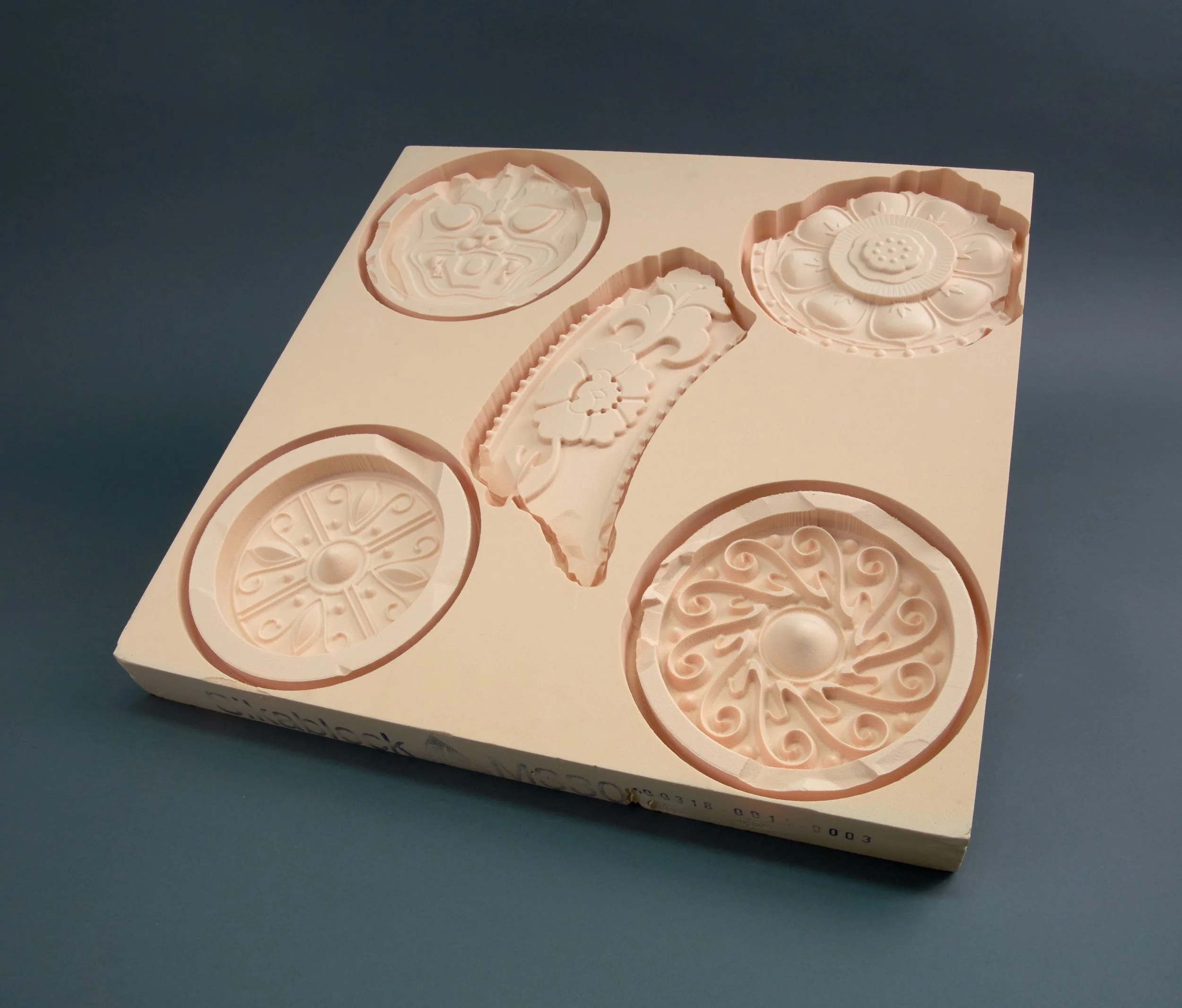
13. Artwork: Reimagined 2D objects using new materials such as PU600 and PU240 (both synthetic polymers), combined with CNC robotics, to explore innovative possibilities in art, design, and craftsmanship.
-
![Artwork]()
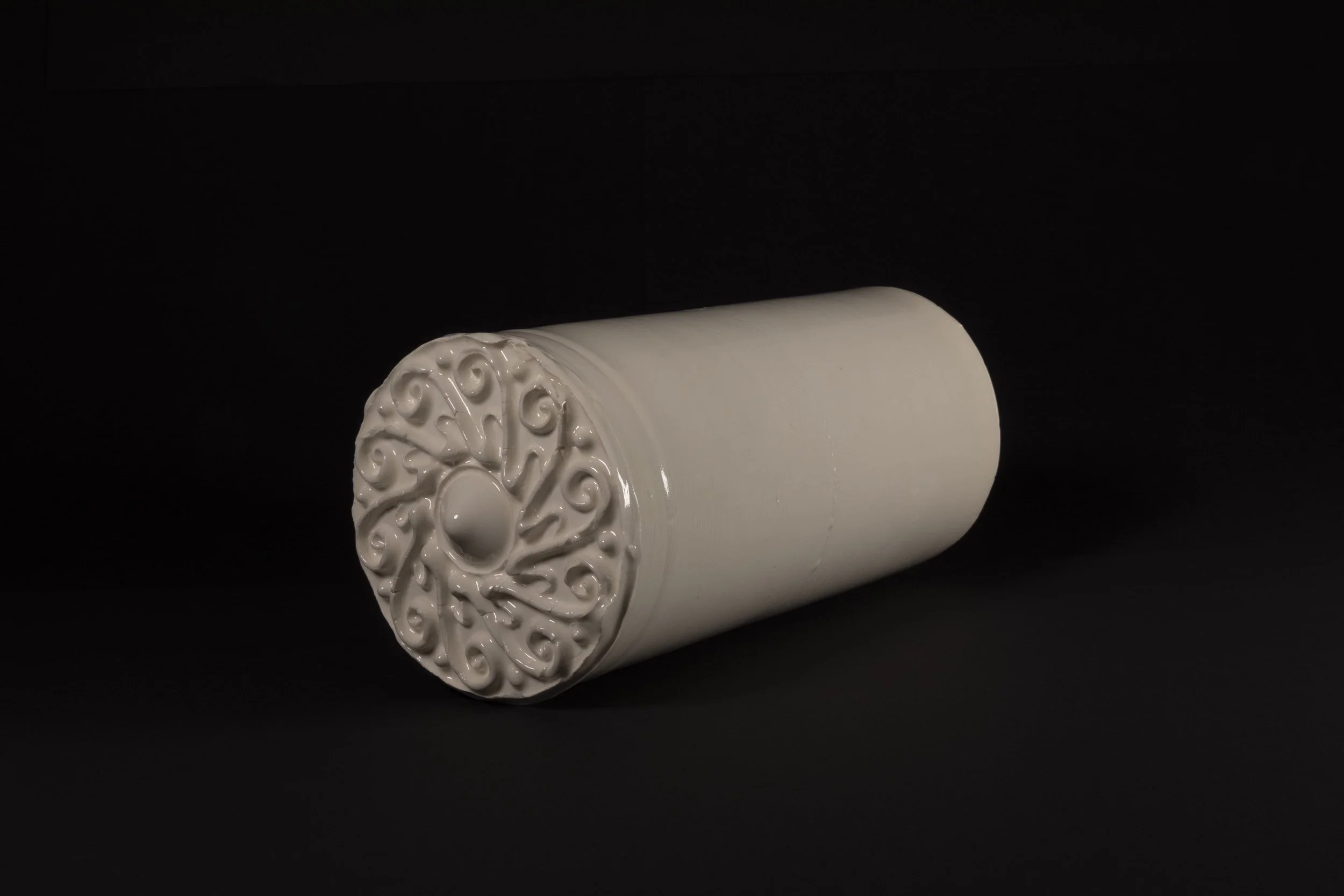
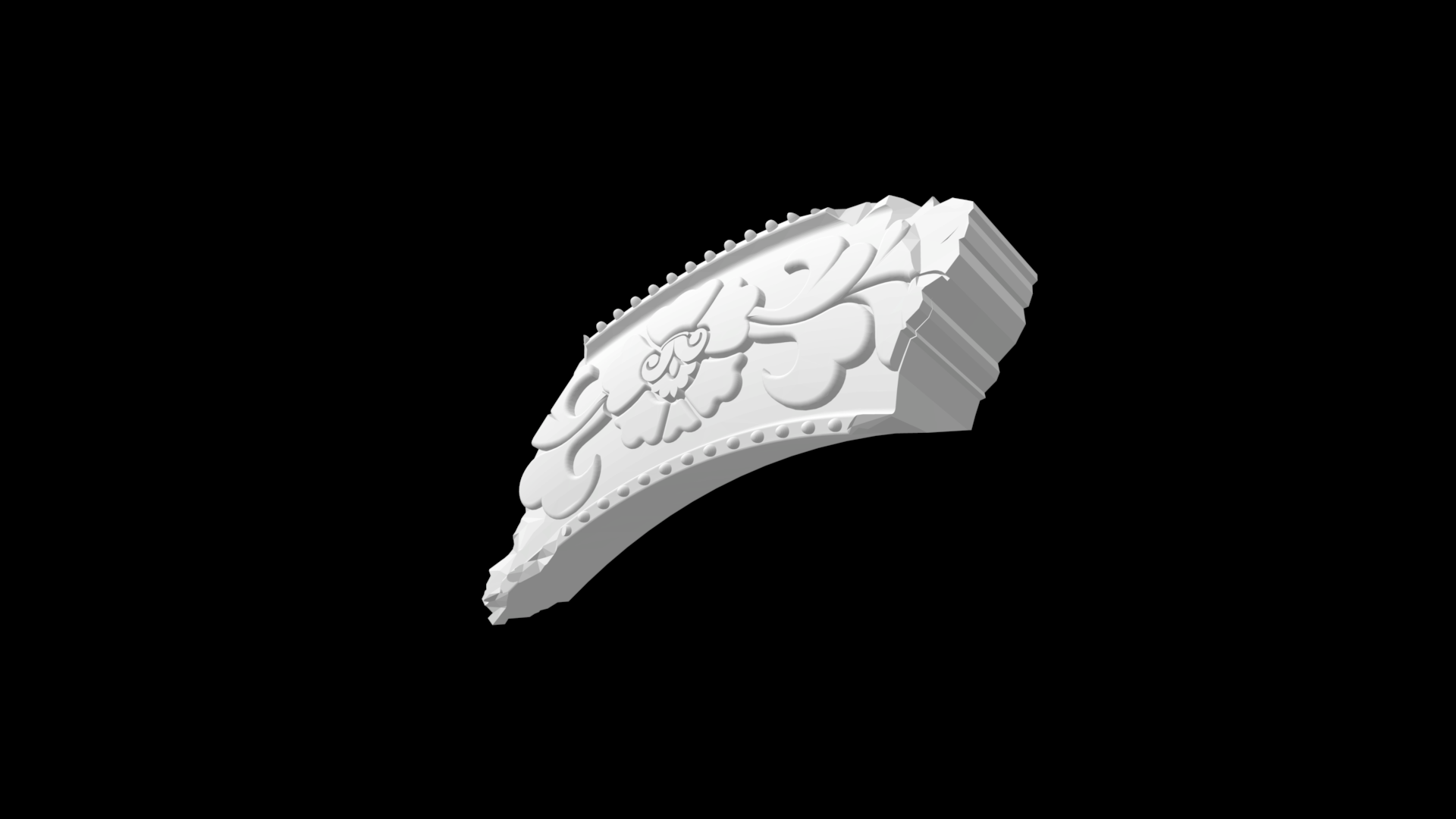
14. Artwork: Reimagined 3D objects combining traditional rooftop tile making techniques with 3D ceramic printing.
-
![]()
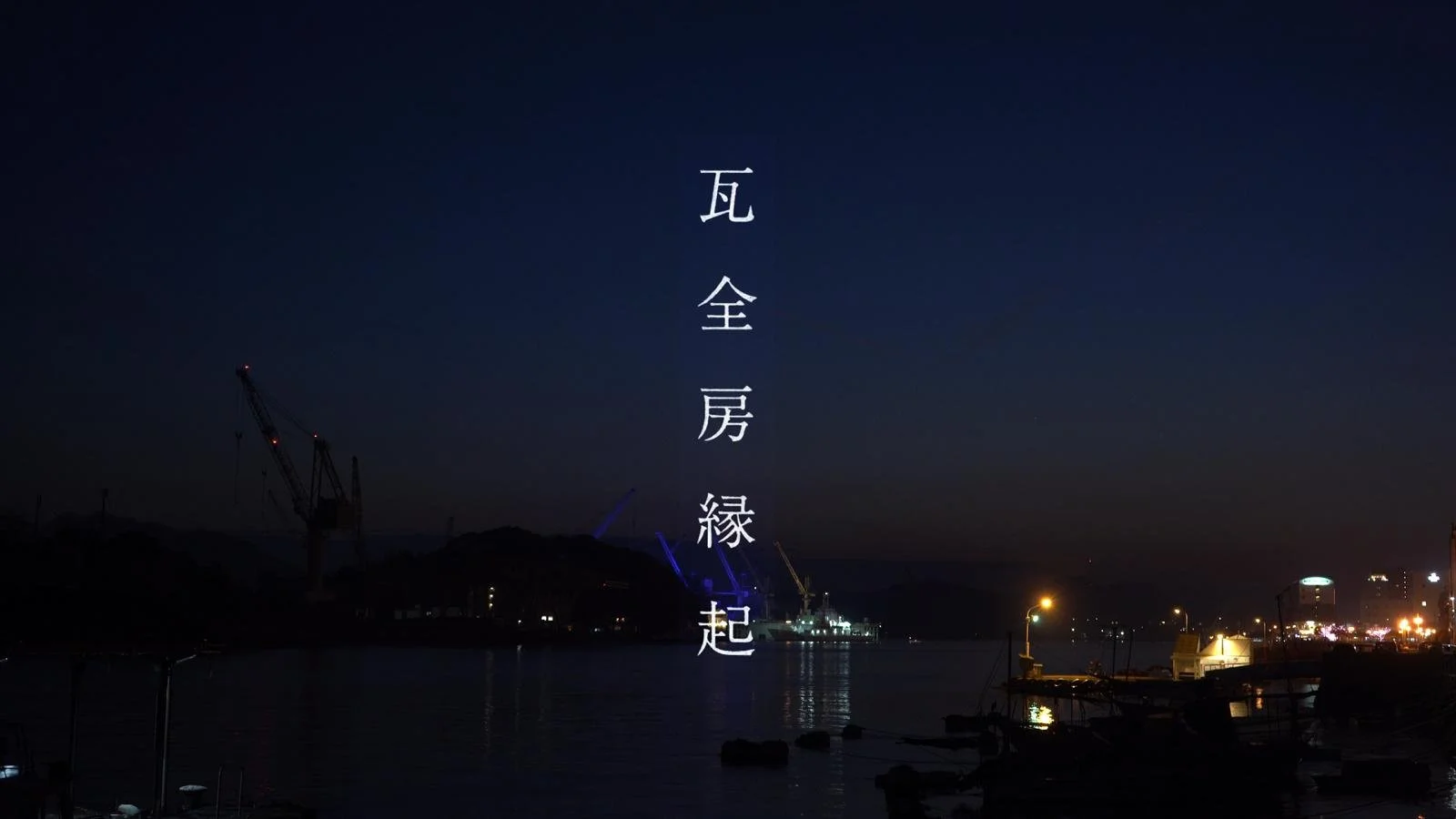
15. Film: In the Flow: Onomichi and Korea 25 minutes and 58 seconds (2023), Japanese language / Korean & Japanese subtitles, Interviewers: Kyung Hwa Shon, Tamaki Ono, Film Director & Editor: Ayaka Yoshida, Co-Director: Kyungmin Son, Narrator: Kunitomo Etsuo, Translation: Kyungmin Son.
This film traces the journey of recovering fragmented memories held by Japanese individuals in relation to a Korean artefact, collected during the colonial period, that originated in Pyongyang (now the capital of North Korea). Through shared histories and oral narratives, it follows the researchers’ process of uncovering scattered recollections through dialogue—reconstructing the artefact’s passage from over a century ago to the present.
-
![Artwork]()
16. Artwork: Experimental process—Hybridising 3D ceramic printing with traditional roof tile making techniques.
-
![Artwork]()
17. Artwork: Reimagining six traditional Korean roof tiles (기와, 瓦, kiwa) from the Goguryeo Kingdom (37 BC — 668 AD), integrating contemporary art & architectural techniques like 3D making software programmes.
The process offers valuable insights into traditional East Asian roof tile-making techniques and the value of handmade craftsmanship, while also highlighting the limitations of contemporary methods and robotic technologies. -
![Artwork]()
18. Reimagined 3D objects inspired by the rooftop tiles of the Goguryeo Kingdom (37 BC – AD 668), created using new materials such as PU600 and PU240 (both synthetic polymers) in combination with CNC robotics, to explore innovative possibilities in art, design, and craftsmanship.
-
![]()
19. A study of the traditional Korean dining table, Soban (소반), discovered at the research site—Wasaku House in Onomichi, Japan. Researchers explore how this piece of Korean furniture arrived in Japan during the colonial period, examining its connection to the Mingei Movement led by Yanagi Sōetsu, as well as the publications Joseon's Soban and 朝鮮陶磁名考 written by Takumi Asakawa.